

See how adaptive reuse breathed new life into a Victorian home, creating a functional creative workspace through architectural renovation and design.
— Insights
houses
Modernizing a Historic Victorian Home in Brookline, MA: A Case Study in Sustainable Renovation
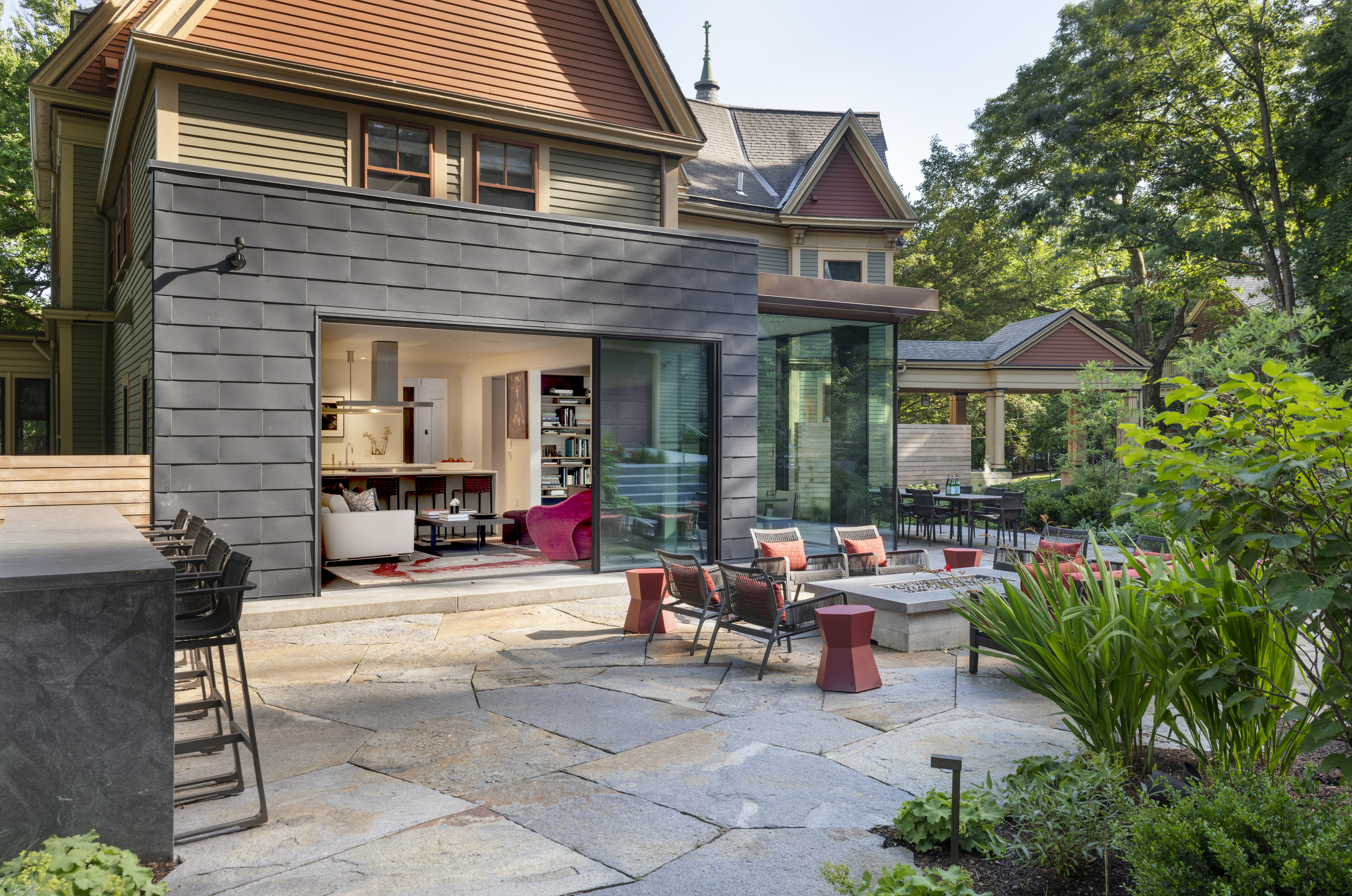
The Art of Preservation in Sustainable Renovation
Updating a historic home presents a fundamental question: how do you honor architectural heritage while creating spaces that serve contemporary life? The Aspinwall Hill House in Brookline, Massachusetts offers a compelling answer through authentic, respectful modernization that prioritizes preservation over replacement. Architect Will Ruhl of RUHL | JAHNES described the core principle guiding his approach as, “Preserving the original house as much as possible is the most sustainable thing we can do when working with an old house. Preservation is inherently sustainable."
This philosophy guided every decision throughout the project, from the initial design strategy to the final construction details. Rather than viewing the Victorian structure as a constraint, the design team recognized it as both a resource and a responsibility—one that demanded creative solutions and collaborative problem-solving. The result demonstrates that historic preservation and modern functionality need not exist in tension; instead, they can work together to create homes that honor the past while serving the present.

Preservation as an Architectural Design Strategy
RUHL | JAHNES’ renovation strategy centered on working with the historic structure rather than against it, a distinction that shaped the entire design process. In collaboration with the Brookline Preservation Commission, RUHL | JAHNES developed an approach that embraced intentionally modern additions rather than attempting to mimic period details. This honest architectural language earned the commission's appreciation precisely because it respected the original structure's integrity without resorting to historical pastiche.
The design philosophy focused on preserving the exterior character while thoughtfully updating interior spaces to meet the family's needs. This necessitated a collaborative effort between architects and a zoning attorney to navigate Brookline's complex permitting requirements. This team-driven approach proved essential in balancing preservation requirements with practical functionality, demonstrating that successful historic renovation demands expertise across multiple disciplines working toward a unified vision.
Honest Additions: A New Chapter for a Historic Home
The modernization strategy targeted specific areas where contemporary function could dramatically improve daily life while maintaining the home's historic character. Key updated spaces include:
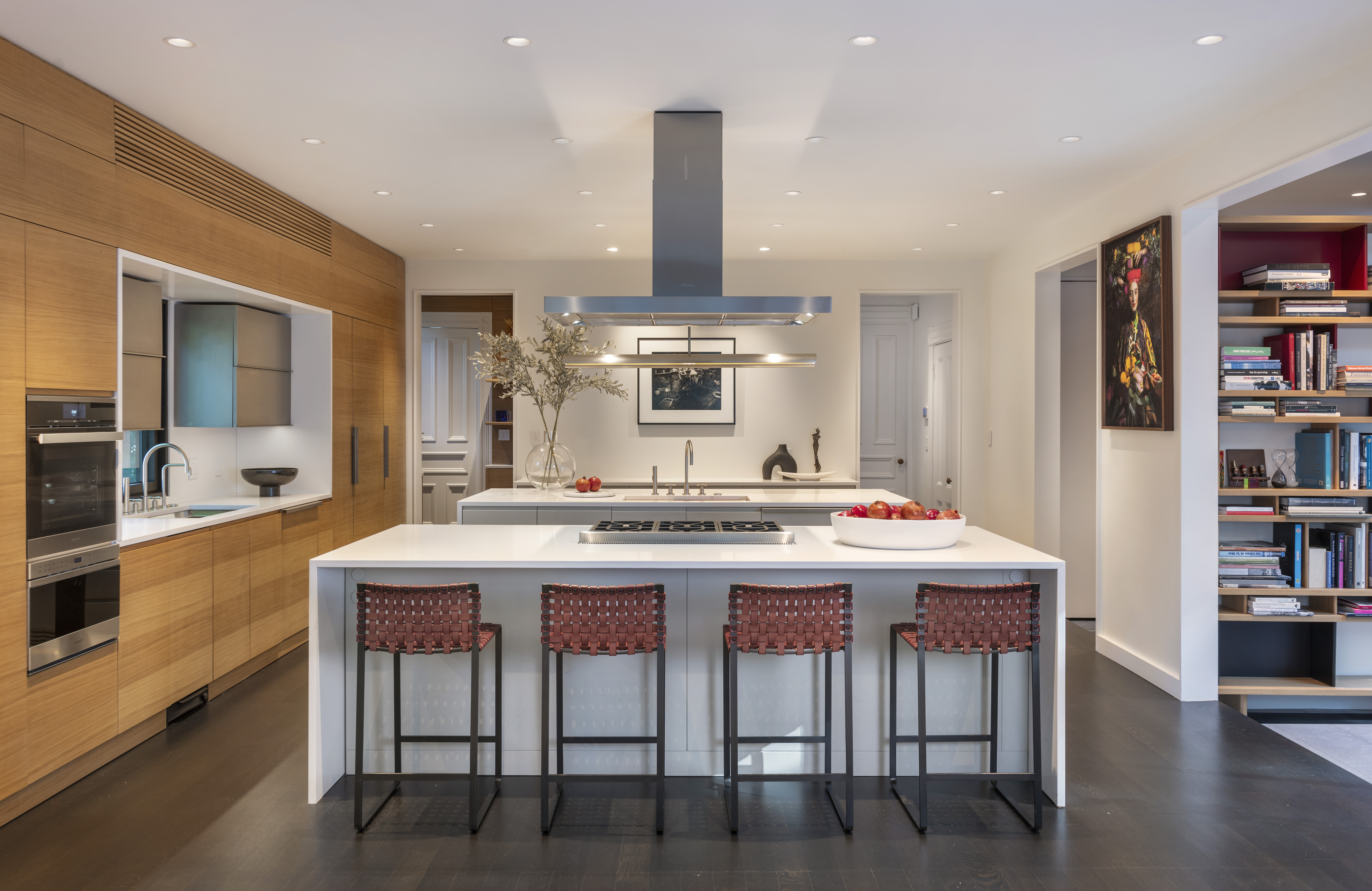
- Kitchen/Family Room: A small ground-floor addition transformed these cramped, disconnected spaces into the home's new heart—proving that even modest expansions can yield significant functional improvements
- Third-floor Art Studio: Two oversized dormers created a light-filled creative workspace in a former darkroom
- Mudroom: Added space and storage addressed the practical needs of modern family life
- Bathrooms: Complete renovation throughout brought modern amenities to every level

The third-floor artist’s studio represents the project's most dramatic transformation, converting a former darkroom into an inspiring treehouse-like workspace. The oversized dormers that made this possible required careful structural planning to maintain the roof's original profile while creating usable interior volume. This balance between preservation and innovation exemplifies how thoughtful additions can unlock a historic home's modern potential without compromising its character.
Overcoming Unique Challenges with Historic Permitting in Brookline
Brookline Massachusetts' preservation regulations presented specific technical challenges that required creative architectural and engineering solutions. The dormers needed to be set back three feet from the walls below—a seemingly minor detail that carried significant implications for both design and construction. This setback requirement could have triggered a demolition delay, making precise compliance essential to maintaining the project's timeline.
Meeting this regulatory standard while creating functional interior spaces demanded complicated structural and HVAC coordination. This technical puzzle required close collaboration between architects, engineers, and contractors to preserve the original roof shape while introducing contemporary systems and usable square footage. The project’s success demonstrates how regulatory requirements, when addressed thoughtfully, can spur innovation rather than impose limitations.

A Model for Modern Victorian Renovations
The Aspinwall Hill House project demonstrates how architects can create harmonious, functional living spaces that revitalize rather than erase history. Through honest additions that acknowledge their contemporary origins, careful navigation of preservation requirements, and collaborative problem-solving across disciplines, historic homes can evolve to serve modern families without sacrificing the qualities that made them worth preserving in the first place. This renovation proves that respecting the past and embracing the present are not competing values but complementary strategies for creating enduring, sustainable architecture.